
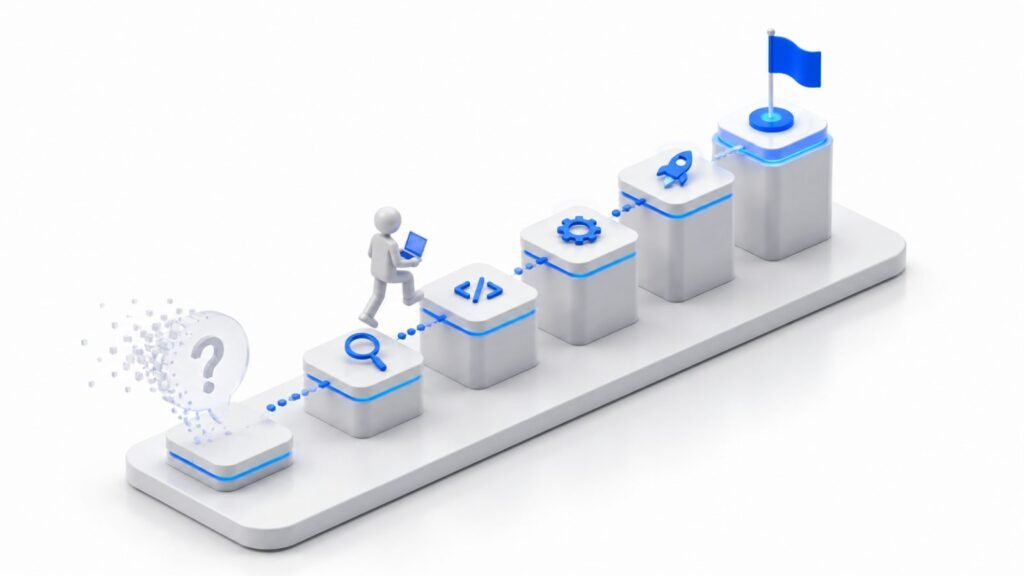
The best selection method hiring science has ever measured — the structured interview — correlates with actual job performance at just 0.42, per the 2022 update to the classic Schmidt–Hunter meta-analysis. Unstructured interviews manage 0.19; years of experience, 0.07. Meanwhile the one method that lets you watch someone do the actual job — an internship-style trial — is converting to full-time hires at 63.1%, a five-year high per NACE. Stop trying to predict performance in an hour. Observe it for six weeks.
Key takeaways
- Sackett et al.’s 2022 revision of the selection-methods literature puts structured interviews at 0.42 validity, unstructured interviews at 0.19 and years of experience at 0.07 — every prediction method leaves most performance variance unexplained.
- NACE reports intern-to-full-time conversion hit 63.1% for the 2024–25 cohort, with interns you trained yourself retained at meaningfully higher rates than external hires.
- SHRM pegs average direct cost per hire near $4,700, with all-in estimates at three to four times salary — a six-week stipend is cheap insurance against those numbers.
- A trial only produces signal if the work is real: scoped production-adjacent projects, weekly checkpoints, and a hire/no-hire rubric written before day one.
The prediction ceiling is real
For decades, hiring teams leaned on Schmidt and Hunter’s famous 1998 meta-analysis to rank selection methods. In 2022, Sackett, Zhang, Berry and Lievens re-ran the numbers with modern corrections and cut most validity estimates by 0.10–0.20. The revised table is sobering: structured interviews 0.42, job knowledge tests 0.40, work samples 0.33, cognitive ability 0.31, unstructured interviews 0.19, years of experience 0.07. A 0.42 correlation explains under a fifth of the variance in how someone will actually perform. That is the ceiling — the very best process still leaves most of the outcome unknown at offer time. Interviews are a filter, not an oracle, and treating a strong interview as proof of future output is how confident mis-hires happen.
Trials convert — and the hires stick
The internship pipeline is the one hiring channel where you decide with evidence instead of prediction, and the outcome data shows it. NACE’s intern survey puts conversion at 63.1% for 2024–25 interns — the highest mark in five years — with an 88.3% acceptance rate on those offers. Retention compounds the case: NACE’s benchmarks show interns converted from your own program are 16% more likely to still be with you after one year than externally-hired interns, and 32% more likely than hires with no internship experience. Six weeks of watching someone scope, build and take review feedback tells you what no interview loop can — and it tells the candidate the same about you, which is why acceptance rates on post-trial offers run so high.
The economics favour the trial
SHRM’s benchmark puts average direct cost per hire near $4,700, and the same article quotes experts estimating the all-in cost of filling a position at three to four times the role’s salary once sourcing time, vacancy drag and onboarding are counted. Against that, a six-week engineering trial at a credible Indian stipend — say ₹25,000 a month, in line with the software-intern benchmarks we covered earlier — costs under ₹40,000 total. If the trial surfaces a mis-fit, you spent a stipend to avoid a mis-hire priced in lakhs. If it surfaces a keeper, you converted at recruiter-fee-free cost with a candidate who already knows your codebase. The stipend is not a cost line; it is the cheapest evaluation instrument you will ever buy.
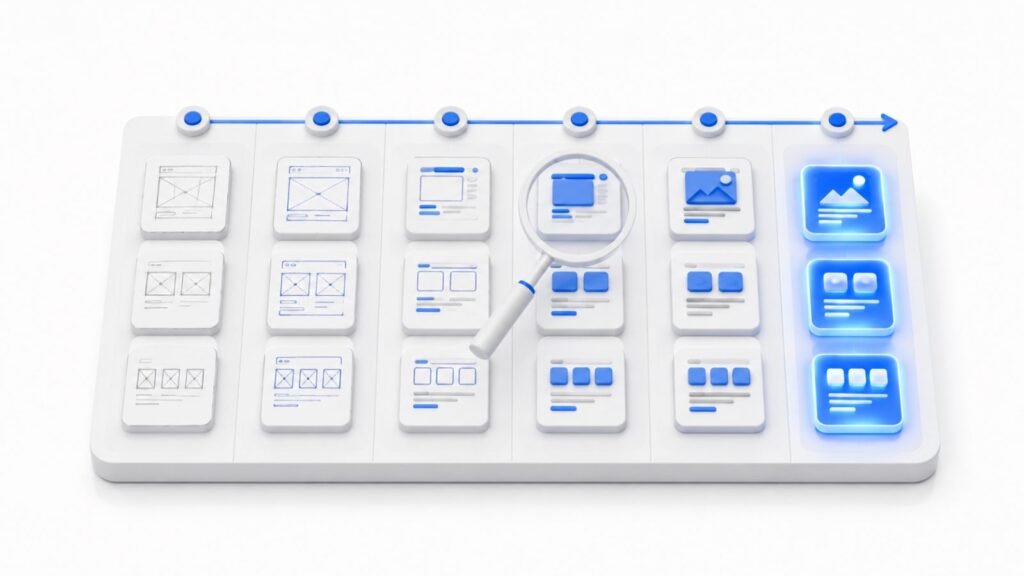
The six-week structure, week by week
- Before day one: write the hire/no-hire rubric — the 4–5 behaviours you will grade (scoping, code quality, review responsiveness, communication, shipping) — and pick a real, production-adjacent project sized for four weeks of build time.
- Week 1 — environment and first PR: working dev setup by day two, a small merged PR by Friday. Assign a named mentor who reviews within 24 hours; slow review kills trial signal.
- Week 2 — scope the project together: the intern writes the plan, the mentor edits it. How someone decomposes a problem is half of what you are evaluating.
- Weeks 3–4 — build with weekly demos: a 15-minute Friday demo of working software, however small. Grade trajectory, not polish — you are watching the feedback loop, not the feature.
- Week 5 — ship it: the project reaches staging or production behind a flag, with tests and a short write-up. Shipping pressure reveals more than any system-design question.
- Week 6 — decide against the rubric: score the pre-written behaviours with the mentor and one uninvolved engineer, decide, and tell the intern the outcome with specific feedback either way. A crisp, honest close protects your campus reputation for the next cohort.
Where the candidates come from
A work trial is only as good as the shortlist entering it, and running six-week trials on unfiltered applicants is how you burn mentor time. That is the problem Tierones exists to solve: an Tier-1-only pool of verified second-year developers from IITs, NITs and IIITs, selected on proof of work — real commits, shipped projects, reviewed code — so the trial starts from candidates who have already demonstrated the behaviours your rubric grades. The contrarian case for hiring second-years is exactly the trial model: evaluate on evidence early, convert before placement season prices them out.
FAQ
How long should an internship work trial be?
Six weeks is the sweet spot for engineering roles. It is long enough to watch a full loop — scoping, building, surviving code review, shipping, and handling feedback — and short enough to cap your cost at roughly one stipend cycle. Structure it with a scoped project, weekly checkpoints and a decision rubric agreed before the trial starts.
What should an intern build during a work trial?
A real, production-adjacent feature with a named owner — not a throwaway sandbox exercise. Pick something small enough to ship inside the trial but real enough that your team would review it seriously: an internal tool, a well-scoped customer-facing improvement, or a test-coverage push on a critical module. Fake work produces fake signal.
Is a paid work trial cheaper than normal hiring?
Usually, yes. SHRM puts average direct cost per hire near $4,700, and experts it cites estimate the all-in cost of filling a position at three to four times the role’s salary. A six-week stipend for one intern is a fraction of that, and NACE data shows internship-style hiring converts at 63.1% with interns retained at higher rates than external hires.
Ready to run your first trial with candidates worth the mentor hours? Tell us what you need — we’ll show you proof, not CVs.