
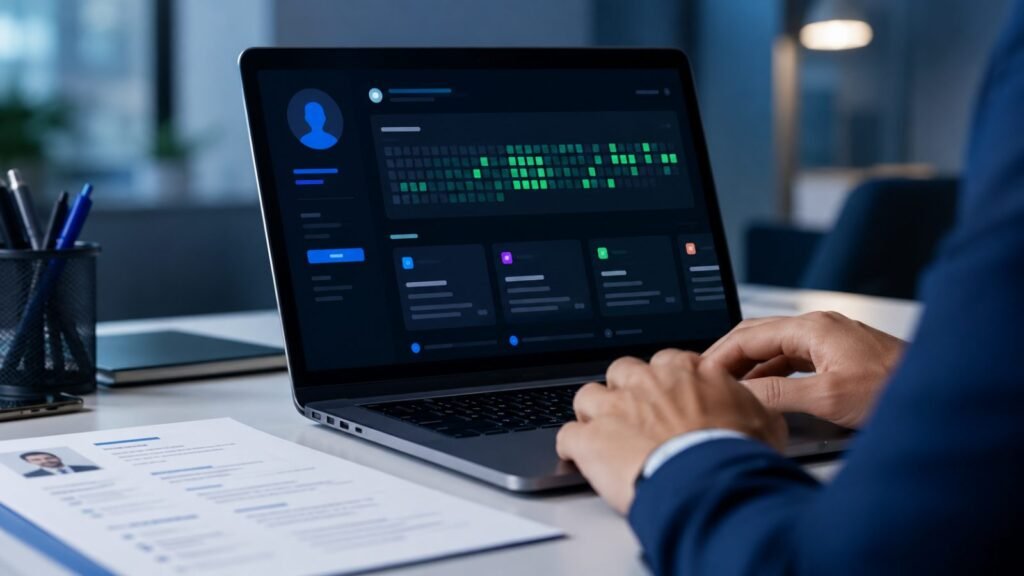
Eye-tracking research puts a number on how long a recruiter spends deciding on your résumé: 7.4 seconds. The same reviewer will spend several minutes inside a GitHub profile that looks real. For a second-year student with no work experience, that asymmetry is the entire game — and almost nobody in your batch is playing it deliberately.
Key takeaways
- Résumés get 7.4 seconds of attention and now compete in a flood of 11,000 LinkedIn applications per minute — a GitHub profile is the only student artifact reviewers actually read.
- Reviewers check pinned repos first, then READMEs, then the commit graph — the code itself comes last.
- Three or four pinned projects with case-study READMEs and one live deployment beat thirty tutorial clones.
- With 82% of developers using AI tools, the differentiating signal is visible AI-steering: commits that explain decisions and code you can defend.
7.4 seconds vs. several minutes
Two numbers explain why the résumé stopped working for students. First, Ladders’ eye-tracking study found recruiters form an initial decision on a résumé in about 7.4 seconds — most of it spent on job titles and dates, which a second-year student doesn’t have. Second, the pool your PDF lands in has exploded: LinkedIn now receives 11,000 applications per minute, up 45% year over year, much of it AI-generated.
A résumé in that pool is a lottery ticket. A GitHub profile is different in kind: it’s browsable, verifiable, and it rewards time spent — every extra minute a reviewer stays, your odds improve. Your job is to make staying easy.
What a reviewer checks — in order
Reviewers don’t start with your code. The sequence is nearly universal:
- Pinned repositories — the first ten seconds. Six slots, and most students waste them on forks and coursework.
- READMEs — can they tell what this is, why it exists, and whether it runs, in under a minute?
- The contribution graph — not for volume, for shape. Steady weekly work on real problems reads completely differently from a one-week hackathon spike or a suspicious wall of green.
- The code — last, and only if the first three passed.
This ordering mirrors where hiring itself is going. HackerRank’s 2025 Developer Skills Report found 66% of developers prefer being evaluated on practical, real-world work over abstract puzzles — and employers are following, because real-world evidence predicts on-the-job performance better than anything else they can screen for.
The 90-day rebuild
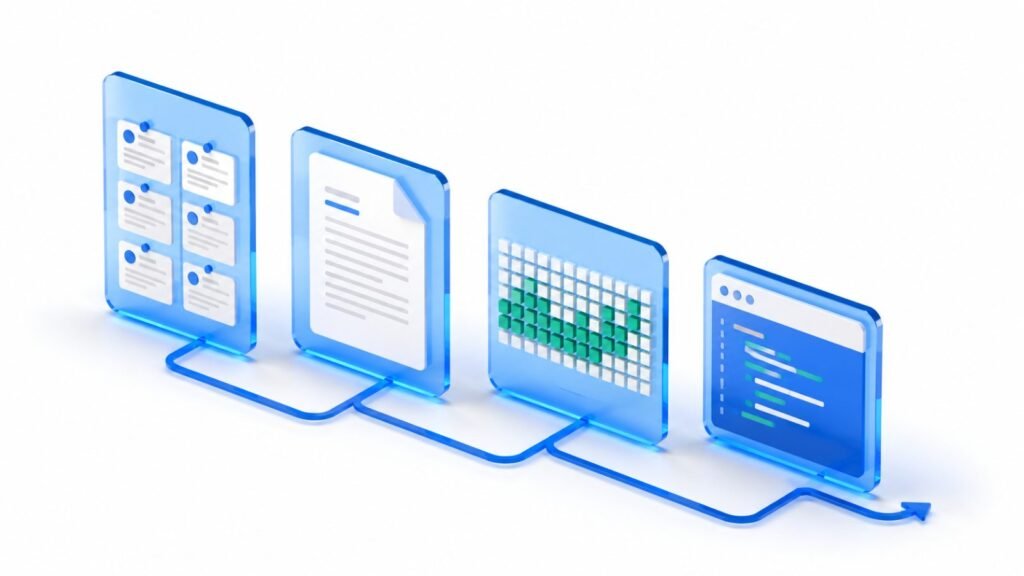
Ninety days of deliberate work is enough to turn a dead profile into a hiring asset. In order:
- Curate ruthlessly. Pin three or four repositories, archive the rest. Delete nothing — but a reviewer should never land on a fork or an empty repo first.
- Write each README like a case study. What it does, why you built it, a screenshot, a live URL, and one honest paragraph on what broke and how you fixed it. That last paragraph is the most-read text on your entire profile.
- Ship one thing with a URL. Deployed and used by at least one person who isn’t you. A mess bill-splitter your hostel actually uses beats a cloned Netflix UI — the second-year playbook covers why in detail.
- Commit small and steadily. Cadence beats streaks. With India now GitHub’s largest open-source contributor base, reviewers here have seen thousands of graphs — they know a gamed one on sight.
- Make your AI-steering visible. HackerRank’s data shows 82% of developers already use AI tools — using them is table stakes. The signal is direction: commit messages that explain the why, and the ability to defend any file in an interview. “I shipped this with AI and can explain all of it” is the strongest sentence a 2026 candidate can say.
What quietly hurts you
- Fork padding. Fifty forked repos with zero commits of yours signals the opposite of what you hope.
- Tutorial clones with original names. Reviewers have seen the same to-do app under a hundred names. Renaming it doesn’t help; extending it with one genuinely new feature does.
- Green-square gaming. Auto-commit scripts and README-typo streaks are checkable in one click on any commit. Getting caught costs more than an empty graph ever would.
- A blank profile README. It’s the one page you fully control — two sentences on what you’re building and one link is all it takes.
Proof compounds — start now
A GitHub profile built this way isn’t a portfolio; it’s a verifiable record that gets stronger every week you keep shipping. That’s exactly the evidence Tierones verifies when matching second-year developers to startups — real commits, real ratings, real shipped work — because it’s the evidence employers trust when a résumé can no longer carry the signal.
FAQ
Do recruiters actually look at GitHub?
Yes — and for students it’s often the only artifact they spend real time on. The résumé gets 7.4 seconds; a profile with pinned repos, readable READMEs and a steady graph gets minutes. GitHub is the interview before the interview.
How many projects do I need?
Three or four pinned, each with a case-study README, at least one deployed with a live URL. Depth and honesty beat volume every time.
Will using AI to build projects hurt my credibility?
Only if you hide it. 82% of developers already build with AI. Show your steering — explanatory commits, code you can defend — and AI use becomes your strongest signal instead of your secret.
If you’re a 2nd-year at an IIT, NIT or IIIT and your GitHub is starting to tell a story: sign up free. Verification takes your .ac.in email and your GitHub — nothing else.